PACKAGING FIELD GUIDE · 2026
How to source custom cosmetic packaging.
A practical guide to getting clearer quotes, better samples and fewer expensive surprises between the moodboard and delivery.
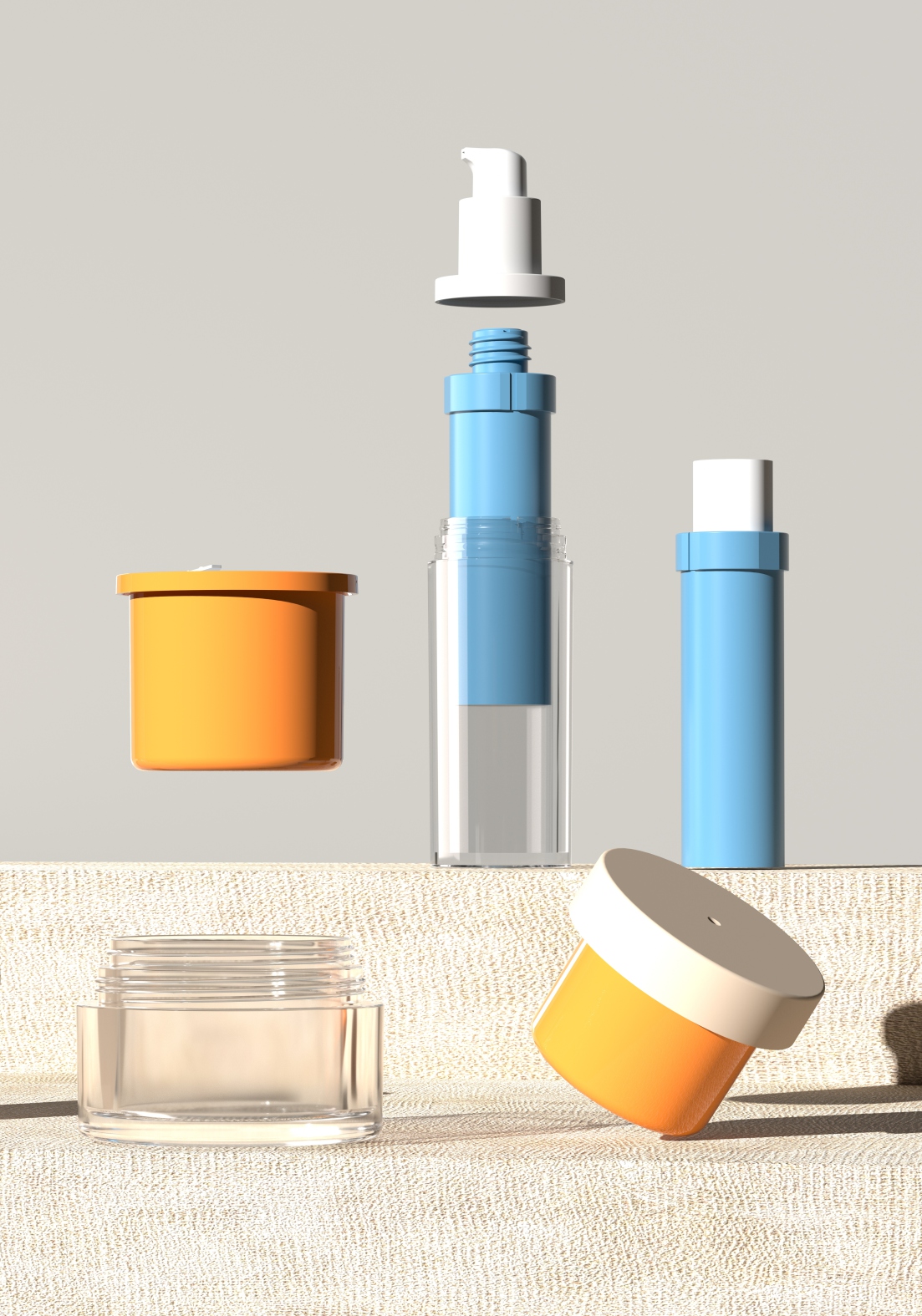
A useful quote starts from the complete specification, not from “How much is this bottle?”
Build the product brief before comparing prices.
- Product firstDefine formula, fill volume, dispensing, quantity and launch date.
- Reference imageUse it as a direction, not as a technical specification.
- Same scopeA complete brief makes every supplier quote the same thing.
Plan formula compatibility early.
- Formula riskOils, acids, solvents and fragrances may need other materials or seals.
- Real testTest the final formula in production-representative samples.
- Per formatCheck dose for airless, seals for jars and glide for sticks.
Compare materials by function and brand position.
- GlassPremium weight, with higher freight and breakage risk.
- PET and PPLighter and versatile for most formats.
- Acrylic and refillsVisual depth or a refill story, with more components.
- Full breakdownAsk for the material of every part; “plastic” is not a specification.
Understand what drives the minimum order quantity.
- Several minimumsStock part, custom color and printing can each set their own MOQ.
- Per designSeveral artworks can raise the minimum for each design.
- Landed costCompare the total project, not only the unit price.
Specify decoration as precisely as the component.
- MethodsCoating, frosting, print, hot stamping, labels and embossing each have limits.
- Define itState the color standard, artwork size, placement and tolerances.
- CartonsSpecify board, print, lamination, foil and inside print separately.
Approve the right sequence of samples.
- Stock sampleConfirms size and basic construction.
- Decorated sampleConfirms the visual direction.
- Pre-production sampleMatches the final approved specification.
- In writingRecord every approval with codes, versions and finishes.
Define what the freight quote actually includes.
- EXWStarts at the factory; the buyer handles everything after pickup.
- FOBIncludes delivery to the named port and export clearance.
- DDPAims to include transport, duties and delivery to the destination.
- ConfirmGet destination, method, timing, weight, volume and Incoterm in writing.
Review quality against an approved specification.
- MeasurableDefine color tolerance, print placement, defects, leakage and fit.
- InspectionConsider a pre-shipment inspection for large or custom orders.
- ReferenceKeep the approved sample and final artwork as the standard.
Packaging quote checklist.
- Product and formula type
- Package format and reference image
- Fill capacity and dimensions
- Material preference
- Target quantity and quantity per design
- Custom color and finish
- Logo decoration and number of colors
- Carton, insert or label requirements
- Delivery city, state and ZIP code
- Target delivery date
- Requested samples
- Required freight term
NEED A CURRENT PACKAGING QUOTE?
Send us the brief. We’ll organize the sourcing.
MARTI RIKINA coordinates primary containers, custom boxes, decoration, samples and logistics for beauty brands in the United States.
Explore packaging services